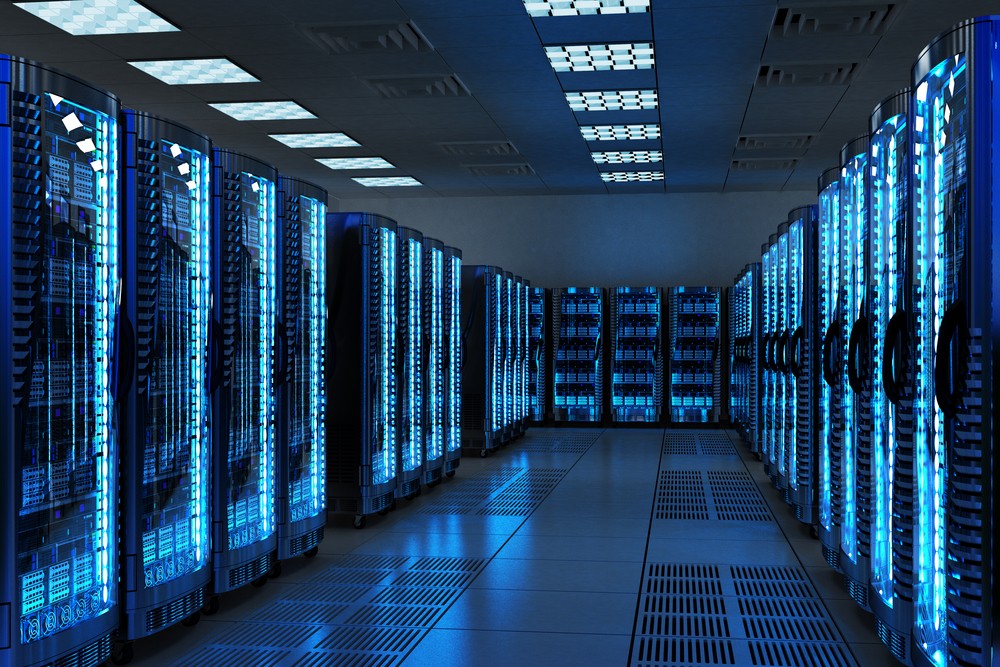
Data centers have become the critical infrastructure supporting everything from cloud computing to artificial intelligence. However, as server densities rise and workloads become more demanding, the heat generated within these facilities has surged, making effective cooling more vital than ever. Advanced cooling technologies are no longer optional—they are essential to ensuring operational efficiency, sustainability, and the longevity of data center investments.
Why Cooling Matters More Than Ever
Modern data centers are power-intensive ecosystems. Servers, storage arrays, and networking equipment operate continuously, generating significant amounts of heat. If not managed properly, this heat can degrade equipment performance, cause outages, and shorten hardware lifespan. Traditional air-cooling methods, while effective in earlier generations of data centers, are struggling to keep up with today’s high-density environments.
Inefficient cooling can lead to higher power usage effectiveness (PUE) ratios, escalating both operational costs and environmental impact. With energy costs rising globally and increasing scrutiny on carbon footprints, data centers are under pressure to adopt innovative cooling strategies that align with sustainability goals.
Evolution of Cooling Technologies
To meet the demands of modern IT infrastructure, cooling technologies have evolved dramatically. Some of the significant advancements are:
- Liquid Cooling Systems
Liquid cooling has emerged as one of the most effective solutions for managing high-density server environments. Unlike traditional air cooling, liquid cooling uses water or special coolants to absorb and transfer heat directly from the hardware. Techniques such as direct-to-chip cooling and immersion cooling can efficiently handle much higher thermal loads, ensuring that processors and memory modules remain at optimal operating temperatures.
- Immersion Cooling
In this method, entire servers are submerged in a thermally conductive, dielectric liquid. The liquid directly absorbs the heat generated by the components and is circulated to remove heat from the system. Immersion cooling can dramatically lower energy consumption, reduce the need for traditional air conditioning, and extend the lifespan of hardware.
- Rear Door Heat Exchangers
Mounted on the back of server racks, these devices use liquid cooling to absorb the heat before it enters the data hall, improving overall cooling efficiency without significantly altering existing infrastructure layouts.
- Free Cooling and Economization
In regions with favorable climates, data centers are increasingly leveraging outside air or water sources to cool their facilities, drastically reducing reliance on mechanical refrigeration. Techniques like air-side and water-side economization are gaining popularity, especially in environmentally conscious designs.
Advanced Cooling in Action
Mumbai, India’s financial capital, is a prime example of how dense urban environments are pushing the envelope on data center design and cooling innovation. With rising demand for low-latency digital services, AI workloads, and cloud storage, data centers in Mumbai face unique challenges related to space, power, and heat management.
In response, many facilities are integrating cutting-edge cooling technologies to maximize operational efficiency within limited footprints. The combination of high ambient temperatures and limited availability of land necessitates solutions like direct-to-chip liquid cooling and hybrid cooling systems that balance air and liquid methods for optimal performance.
Furthermore, data centers in Mumbai are increasingly exploring renewable energy sources and water-efficient cooling practices to align with global sustainability trends and comply with evolving regulatory standards.
Cooling Strategies for a Growing Indian Market
Across India, the data center market is experiencing exponential growth, fueled by digitalization initiatives, the rise of AI applications, and a booming internet economy. As hyperscalers and colocation providers expand their presence, the importance of advanced cooling solutions becomes even more critical.
Several strategies are being employed across data centers in India to enhance cooling performance:
Modular Cooling Units: These allow for scalability, enabling data centers to add cooling capacity as IT load increases, without over-provisioning.
AI-Powered Cooling Optimization: Artificial intelligence is being used to predict thermal patterns and dynamically adjust cooling systems, resulting in significant energy savings.
Sustainable Water Usage: Innovations like closed-loop cooling systems help minimize water consumption, an essential factor in water-scarce regions.
By investing in these advanced technologies, operators can achieve lower PUEs, reduce operational expenses, and meet corporate sustainability goals—critical competitive advantages in today’s market.
Future Trends in Data Center Cooling
As computing demands continue to evolve, so will cooling technologies. Some trends to watch include:
- Two-Phase Liquid Cooling: Utilizing phase changes (liquid to gas) for superior heat absorption, offering even greater efficiency.
- Microchannel Heat Exchangers: Allowing for more precise and localized cooling at the chip level.
- Quantum Cooling Technologies: Though still in the early stages, developments in quantum computing will necessitate entirely new thermal management strategies.
Moreover, as regulations around energy efficiency and carbon emissions become stricter, particularly in regions like Europe and Asia-Pacific, India’s data center industry will also face increased expectations around sustainable operations.
Conclusion
The role of advanced cooling technologies in modern data centers is no longer just about maintaining uptime it’s about enabling innovation, enhancing sustainability, and ensuring long-term business resilience. With cities like Mumbai leading the charge and India’s broader market expanding rapidly, industry leaders must prioritize intelligent cooling strategies as an integral part of their data center design and operations.
Embracing advanced cooling today is not merely a response to present challenges; it’s a forward-thinking investment into the future of digital infrastructure.