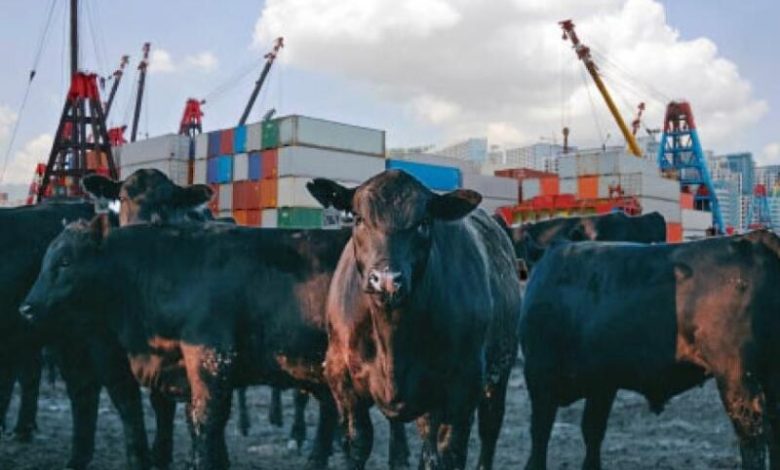
The global beef trade is driven by a system where supply and demand move at very different speeds. While consumption patterns can shift quickly, production remains tied to long biological cycles. This imbalance creates a market that depends on planning, consistency, and strong coordination across the value chain.
Production is inherently slow to adjust. Expanding a herd or increasing output takes years, not months. Because of this, the industry cannot respond immediately to short-term changes in demand or pricing. As a result, trade relationships tend to favor suppliers that offer dependable volume and quality over time. Reliability becomes more valuable than rapid growth.
Demand, however, continues to evolve. Economic development, urbanization, and changing consumer preferences influence where beef consumption rises. In regions where domestic supply cannot keep pace, imports become a critical part of the market. This places added importance on logistics, regulatory alignment, and the ability to meet specific product standards across different countries.
As trade networks expand, complexity increases. Supply chains often stretch across multiple regions, requiring coordination between transportation systems, compliance requirements, and financial structures. Products may remain in transit or storage for extended periods, tying up capital and increasing exposure to delays or disruptions. Managing these challenges requires both operational discipline and financial flexibility.
Planning is another essential factor. Many decisions related to production, processing, and distribution are made well in advance, leaving limited room to react when conditions change. Organizations that invest in forecasting, data visibility, and communication across teams are better prepared to handle unexpected shifts without disrupting operations.
Financial support plays a central role in maintaining stability. Producers depend on capital to manage herd cycles and fluctuating input costs, while processors and exporters rely on corporate funding to maintain capacity and serve global markets. Strong risk management practices help businesses navigate uncertainty while continuing to invest in long-term growth.
In a market shaped by both constraint and change, success depends on alignment. When production capabilities, supply chain operations, and financial strategies work together, businesses are better positioned to manage volatility and sustain performance over time.
For additional perspective on how these forces interact across the global beef system, explore the insights highlighted in the accompanying visual overview.


