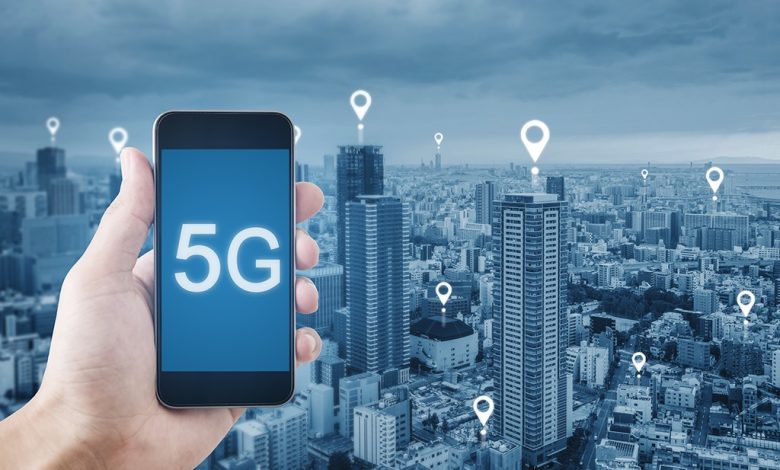
The world of mobile communications has undergone a profound transformation in recent years, with the advent of 5G technology promising to redefine the way we access and utilize digital information. As the fifth generation of wireless networks, 5G represents a significant leap forward in terms of speed, latency, and overall connectivity capabilities, with the potential to revolutionize a wide range of industries and applications. You can check out jackpot-town.com if you are in stateside.
At the heart of 5G’s promise is its ability to deliver lightning-fast download and upload speeds, with real-world throughput rates that can exceed 1 gigabit per second (Gbps). This dramatic increase in bandwidth enables users to stream high-quality video, download large files, and engage in data-intensive activities with unparalleled efficiency. Moreover, 5G’s inherent low latency, with response times as low as a few milliseconds, opens the door to a host of innovative use cases that were previously inconceivable or impractical with legacy networks.
One of the most transformative impacts of 5G is its ability to facilitate the growth of the Internet of Things (IoT) ecosystem. The combination of high-speed, low-latency connectivity and the ability to support a massive number of connected devices simultaneously enables the seamless integration of a wide range of smart devices, from industrial machinery and autonomous vehicles to wearable technologies and home automation systems. This convergence of connectivity and intelligence has the potential to revolutionize industries, improve efficiency, and enhance the overall quality of life for individuals.
Beyond the IoT realm, 5G also holds significant promise for the development of cutting-edge applications in areas such as telemedicine, remote learning, and real-time interactive experiences. For instance, the low-latency capabilities of 5G could enable remote surgery, where a specialist physician can perform intricate medical procedures on a patient located miles away, with the confidence that their actions are being transmitted and executed in real-time. Similarly, 5G-enabled virtual and augmented reality applications can provide immersive educational experiences, allowing students to explore digital environments and collaborate with their peers from anywhere in the world.
As the global rollout of 5G networks continues to gain momentum, the impact on mobile connectivity and the broader digital landscape is poised to be profound. By leveraging the transformative capabilities of this next-generation wireless technology, businesses, governments, and individuals can unlock new opportunities here, drive innovation, and ultimately shape the future of how we live, work, and interact in the digital age.


