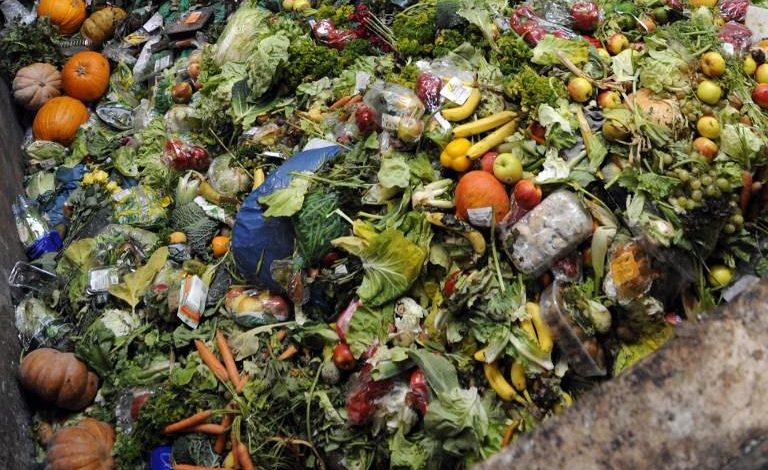
Food waste often makes headlines for its environmental impact, but its financial implications are just as significant. Across the food industry—from farms and processors to retailers and restaurants—wasted products translate directly into lost revenue, inflated costs, and weakened supply chains. For many organizations, the hidden financial risks of food waste can quietly undermine profitability and long-term sustainability.
The Challenge of Predicting Waste
Food waste is difficult to control because it’s shaped by constantly changing factors. Consumer preferences evolve quickly, demand fluctuates with the seasons, and supply chain disruptions can leave businesses with unsold or spoiled inventory. Perishable products that fail to sell in time generate immediate losses, while poor storage and transportation practices accelerate spoilage before items ever reach the consumer.
For companies operating on narrow profit margins, even a small percentage of waste can have outsized effects. Repeated losses accumulate, eating into revenue and increasing expenses across logistics, labor, and waste management.
How Inefficiency Impacts the Bottom Line
Food waste often signals underlying operational inefficiencies. Overproduction, inaccurate demand forecasting, and disorganized inventory systems are common contributors. For example, retailers may overstock shelves to avoid running out of products, only to throw away unsold items later. Manufacturers may struggle with cold-chain management or production misalignment, resulting in premature spoilage.
The financial consequences extend beyond lost goods. When waste disrupts supply and demand, it can cause price volatility throughout the supply chain. Businesses may pass along higher costs to partners or customers, while inefficiencies in waste handling—such as labor and disposal fees—further increase expenses. During times of raw material shortages or economic instability, these ripple effects become even more pronounced.
Financially Smart Approaches to Reducing Waste
Tackling food waste isn’t just a sustainability initiative—it’s a sound financial strategy. Businesses that invest in better planning and smarter technology can reduce both waste and costs.
Modern tools like AI-powered forecasting and automated inventory systems provide more accurate insights into real-time demand. This helps prevent overordering, reduces spoilage, and ensures better stock rotation. Producers and distributors can also reclaim value from surplus goods by repurposing or donating safe, unused items.
Financial measures can play a role too. Techniques such as hedging or dynamic supplier contracts help stabilize costs and safeguard profit margins when market conditions fluctuate. Together, these approaches help create more efficient, resilient operations.
Reframing Waste as a Controllable Risk
Food waste should no longer be viewed as an unavoidable expense—it’s a manageable risk that can be mitigated through data, planning, and operational discipline. Organizations that take proactive steps to address it gain a measurable advantage: leaner processes, stronger financial performance, and improved brand reputation.
Reducing waste delivers a dual benefit. It supports environmental responsibility while reinforcing financial stability. By treating waste reduction as both a sustainability goal and a core business strategy, companies can strengthen their bottom line and build a more efficient, profitable future.
For insights on mitigating financial losses tied to food waste, explore the accompanying resource from Commodity & Ingredient Hedging, a dairy risk management company.