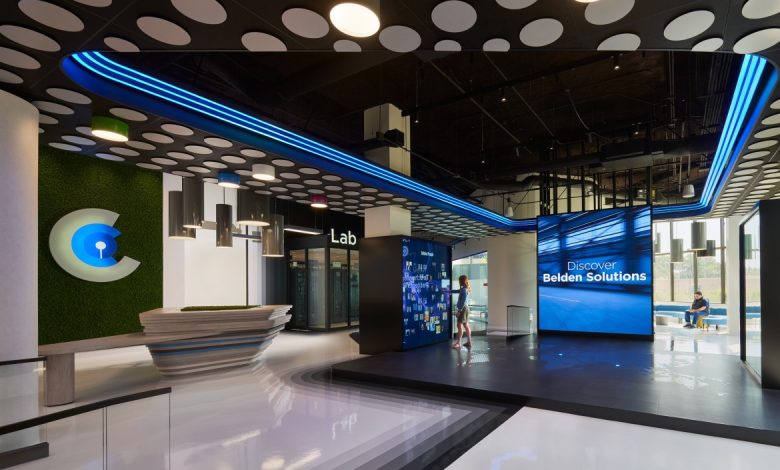
Modern consumers crave experiences that go beyond traditional advertising. Experiential marketing provides brands with a powerful way to engage, inspire, and convert audiences by delivering interactive, memorable experiences that foster deep emotional connections. Instead of simply promoting a product, these campaigns create moments that turn consumers into loyal advocates.
The key to a successful experiential campaign is setting clear objectives. Are you launching a new product, strengthening your brand image, or looking to drive customer loyalty? Defining these goals early on ensures your strategy is aligned with measurable business outcomes. Understanding your audience is also essential. Beyond demographics, knowing what motivates and excites them allows brands to create experiences that truly resonate.
Immersive and authentic experiences leave the strongest impact. While digital elements such as augmented reality (AR) and virtual reality (VR) can enhance engagement, authenticity is what builds trust and credibility. Consumers connect most with brands that create meaningful, genuine experiences.
Personalization enhances engagement further. Tailored experiences, exclusive content, and data-driven interactions make consumers feel valued, increasing the likelihood of long-term brand loyalty.
Exclusivity and social sharing amplify a campaign’s reach. Offering VIP experiences, behind-the-scenes access, and shareable moments, such as through environmental graphics, encourages attendees to promote their experiences organically. User-generated content (UGC) plays a significant role in driving awareness and engagement.
Measuring impact is the final step. Tracking engagement, lead generation, and conversion rates helps brands refine future campaigns for even greater success.
Want to unlock the power of experiential marketing? Read our expert guide for actionable insights.