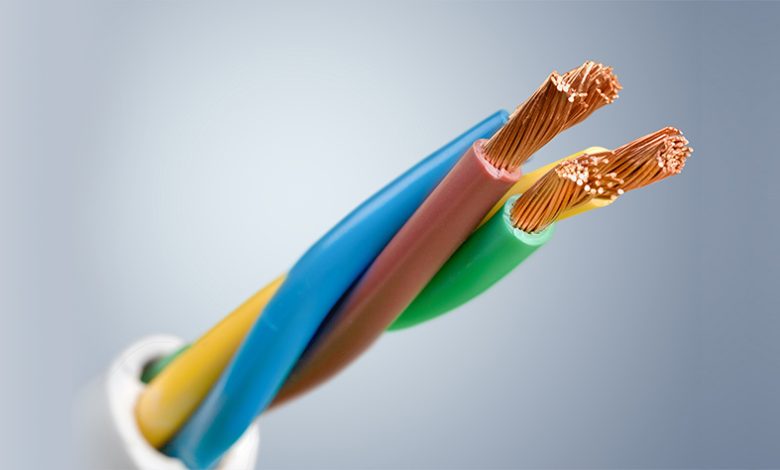
Wires and cables are in great demand because of technological developments. But you can’t use every cable type for the same purpose. This explains why you will find different kinds of cables and wires in the market. Among the most common types you will find is a custom design cable or wire that has been insulated.
What is Wire or Cable Insulation?
It is an important component for safely operating electrical currents. It helps to prevent electrical fires, shocks, and other hazards by simply providing a reliable barrier between grounded surfaces, switchboards, and electrical systems.
Types
There are different kinds of insulated wires and cables, which you will in different settings. These types include the following:
- ECTFE and ETFE Halar
- PEP
- EPDM
- CSPE
- EPR
- Fiberglass
- Silicone
- Thermoplastic rubber
- Polypropylene
- Plenum PVC
Benefits
Insulating wires and cables come with numerous benefits in various industries or settings. Some of these benefits include the following:
1. Improved Efficiency and Performance
Insulating cables and wires can improve electrical efficiency and performance. It can help to maintain electrical signals’ integrity by reducing losses because of inductive effects, leakage, or capacitance. In addition, insulation prevents losses of energy through a conductor; thus, enhancing the overall electrical systems’ efficiency.
2. Resistance against Thermal Aging
The transmission capacity of electronic cables is determined by their allowable temperature. If insulating materials operate at an allowable temperature, then the cable may safely work for a very long time. If the cable’s operating temperature is high, the insulation can degrade quickly as well as shorten the lifespan of the cable or wire. Silicone may effectively resist any form of aging if exposed to very high temperatures.
3. Color-Coding
Mostly, insulated electrical wires and cables are often color-coded to a particular standard to ensure consistency. This helps electricians as well as other operators dealing with wires better understand the function of wire and its voltage. In addition, color codes help for quick identification; thus, making wiring tasks much easier. Here are some of the colors you will see:
- Orange – The color denotes 10-gauge wires that are rated for 30 amps.
- Gray – This means cables, which are rated for 15 amps.
- Yellow – It signifies 12-gauge wires, which are rated for 20 amps.
- White – The color means 14-gauge wires that are rated for 15 amps.
- Black – This color signifies 6- & 8-gauge wire rates for 40 and 60 amps.
4. Longevity and Durability
Insulation helps to protect wires and cables against physical injuries, chemicals, and moisture. This kind of protection ensures cables and wires are safe and function for a very long time without failure to warrant maintenance checks as well as frequent replacements. Only in this form that insulated wiring prove reliable and economical throughout its usage period.
5. Minimize Electrical Noise
When wires and cables are inadequately insulated, electromagnetic waves will be emitted, resulting in interference with the nearby electronic/electrical devices. With insulation, you can minimize wave emissions and offer protection from external electromagnetic interference.
The bottom line is that insulated wires & cables play an important role in ensuring the durability, efficiency, and safety of electrical systems. By knowing the benefits that are associated with choosing the right kind of wire for your application, you may improve the reliability and performance of electrical installations.


