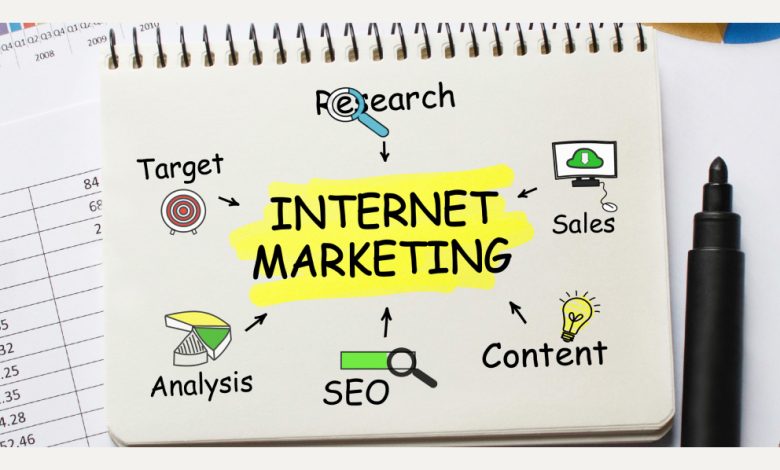
Internet marketing has become a core driver of business growth across industries. Customers now research products, compare options, and make purchase decisions online before interacting with a brand directly. Businesses that apply the right internet marketing techniques can attract qualified audiences, strengthen trust, and improve long-term profitability.
Understanding the essential methods allows organizations to build consistent visibility and measurable performance in competitive digital environments.
Build a Strong Search Engine Optimization (SEO) Strategy
Search engine optimization helps businesses appear when customers actively search for solutions online. It remains one of the most cost-effective long-term marketing approaches.
Important SEO priorities include:
- Researching customer-focused keywords
- Optimizing website structure and navigation
- Improving mobile responsiveness
- Increasing page loading speed
- Publishing informative, high-value content
Consistent SEO efforts create sustainable organic traffic that grows over time.
Use Content Marketing to Establish Authority
Content marketing allows businesses to educate audiences while building credibility and trust. Instead of direct promotion, it focuses on delivering meaningful value.
Effective content formats include:
- Educational blog articles
- Industry insights and reports
- Step-by-step guides
- Case studies with measurable results
- Informational newsletters
High-quality content positions a business as a reliable knowledge source within its industry 📘
Leverage Social Media for Audience Engagement
Social media platforms allow businesses to interact directly with their audiences and maintain consistent visibility.
Strong social media strategies involve:
- Posting regularly with a clear content plan
- Responding quickly to customer interactions
- Sharing educational and informative updates
- Using visual storytelling formats
- Monitoring engagement performance metrics
Active engagement helps brands remain relevant and approachable.
Apply Pay-Per-Click (PPC) Advertising for Immediate Visibility
Unlike organic strategies that take time, PPC advertising delivers fast exposure to targeted audiences.
Businesses can improve PPC performance by:
- Selecting intent-based keywords
- Designing conversion-focused landing pages
- Testing multiple ad variations
- Monitoring campaign performance regularly
- Adjusting budgets based on results
Well-managed PPC campaigns support both short-term growth and lead generation.
Strengthen Email Marketing for Long-Term Customer Relationships
Email marketing remains one of the most reliable communication channels because it reaches audiences directly without depending on platform algorithms.
Successful email campaigns include:
- Personalized messaging based on user behavior
- Automated onboarding sequences
- Re-engagement campaigns for inactive subscribers
- Event or promotion announcements
- Educational newsletters that provide real value
Consistent communication strengthens loyalty and increases repeat business 📩
Optimize Website User Experience for Better Conversions
Website performance directly affects marketing success. Even strong campaigns struggle if visitors encounter poor navigation or confusing layouts.
Conversion-focused improvements include:
- Clear call-to-action buttons
- Simple navigation structure
- Mobile-friendly design
- Fast loading speed
- Trust signals such as testimonials and reviews
A well-optimized website transforms visitors into customers more efficiently.
Use Data Analytics to Guide Marketing Decisions
Modern internet marketing relies heavily on performance insights rather than assumptions.
Businesses should regularly monitor:
- Traffic sources
- Conversion rates
- Customer behavior patterns
- Campaign engagement metrics
- Advertising return on investment
Analytics allow organizations to refine strategies and improve outcomes continuously 📊
Implement Video Marketing to Increase Engagement
Video content captures attention quickly and communicates complex ideas more effectively than text alone.
High-performing video formats include:
- Short educational clips
- Product demonstrations
- Customer success stories
- Behind-the-scenes brand insights
- Live question-and-answer sessions
Video marketing improves retention and encourages social sharing.
Strengthen Online Reputation Management
Customers often review ratings and feedback before making purchase decisions. Managing reputation carefully helps businesses maintain credibility.
Effective reputation strategies include:
- Responding professionally to customer reviews
- Encouraging satisfied customers to leave feedback
- Monitoring brand mentions online
- Addressing service concerns quickly
- Maintaining transparent communication
Strong reputation management supports trust and long-term brand loyalty.
Focus on Mobile-First Marketing Strategies
Most internet users now access content through mobile devices. Businesses that prioritize mobile-friendly experiences perform better across digital channels.
Mobile-first improvements include:
- Responsive website design
- Short-form content formatting
- Fast-loading landing pages
- Click-to-call contact options
- Mobile-optimized email layouts
Mobile optimization ensures marketing campaigns remain accessible and effective across devices 📱
Maintain Consistency Across All Digital Channels
Consistency strengthens brand recognition and improves customer confidence.
Businesses should ensure alignment in:
- Visual identity elements
- Messaging tone and style
- Content quality standards
- Customer communication approach
- Campaign timing across platforms
Unified branding creates a more professional and trustworthy presence online.
Conclusion
Internet marketing success depends on combining multiple strategies rather than relying on a single channel. Businesses that invest in SEO, content marketing, social media engagement, analytics tracking, and conversion optimization create stronger visibility and more predictable growth outcomes.
Applying these essential techniques consistently helps organizations attract qualified audiences, strengthen relationships, and remain competitive in evolving digital markets.
Frequently Asked Questions (FAQs)
1. How long does it take to see results from internet marketing efforts?
Some strategies like PPC deliver immediate visibility, while SEO and content marketing typically require several months to generate consistent results.
2. Which internet marketing technique delivers the highest return on investment?
Email marketing often delivers strong returns because it targets audiences who already show interest in the business.
3. Is internet marketing necessary for local businesses?
Yes. Even local businesses benefit from online visibility because customers frequently search for nearby services through search engines and maps.
4. How often should businesses update their digital marketing strategy?
Most organizations review campaign performance monthly and adjust broader strategies quarterly based on measurable insights.
5. Can businesses manage internet marketing without hiring specialists?
Many small businesses start independently using basic tools, but professional expertise can improve performance as campaigns become more complex.
6. What role does branding play in internet marketing success?
Consistent branding strengthens recognition, improves trust, and helps audiences remember a business across multiple digital platforms.
7. How can businesses measure whether their marketing campaigns are working effectively?
Performance can be evaluated using metrics such as traffic growth, conversion rates, engagement levels, customer acquisition cost, and revenue generated from campaigns.

