Remote and hybrid work models have reshaped how organizations operate. While these flexible arrangements improve access to global talent and support employee well-being, they also introduce new coordination challenges. Leaders must rethink communication, accountability, and performance tracking to ensure teams remain productive and aligned.
Smart management practices help organizations maintain clarity, strengthen collaboration, and support consistent results—regardless of where employees are located.
Establish Clear Communication Structures
Effective communication is the backbone of successful remote and hybrid teams. Without structured interaction, misunderstandings increase and productivity slows.
Managers should focus on:
- Setting expectations for response times
- Defining preferred communication channels
- Scheduling regular team check-ins
- Documenting key decisions for visibility
- Encouraging transparent updates on progress
Consistency in communication reduces uncertainty and keeps teams aligned with shared goals.
Define Roles, Responsibilities, and Deliverables Clearly
When employees work from different locations, clarity becomes more important than ever. Ambiguity can quickly disrupt workflow efficiency.
Strong role definition includes:
- Clearly assigned ownership for tasks
- Measurable performance expectations
- Transparent reporting structures
- Defined project timelines
- Shared accountability standards
Employees perform better when they understand exactly what success looks like.
Use Digital Collaboration Tools Strategically
Technology enables remote and hybrid teams to operate efficiently, but tools must be used intentionally rather than excessively.
Effective collaboration platforms support:
- Real-time document sharing
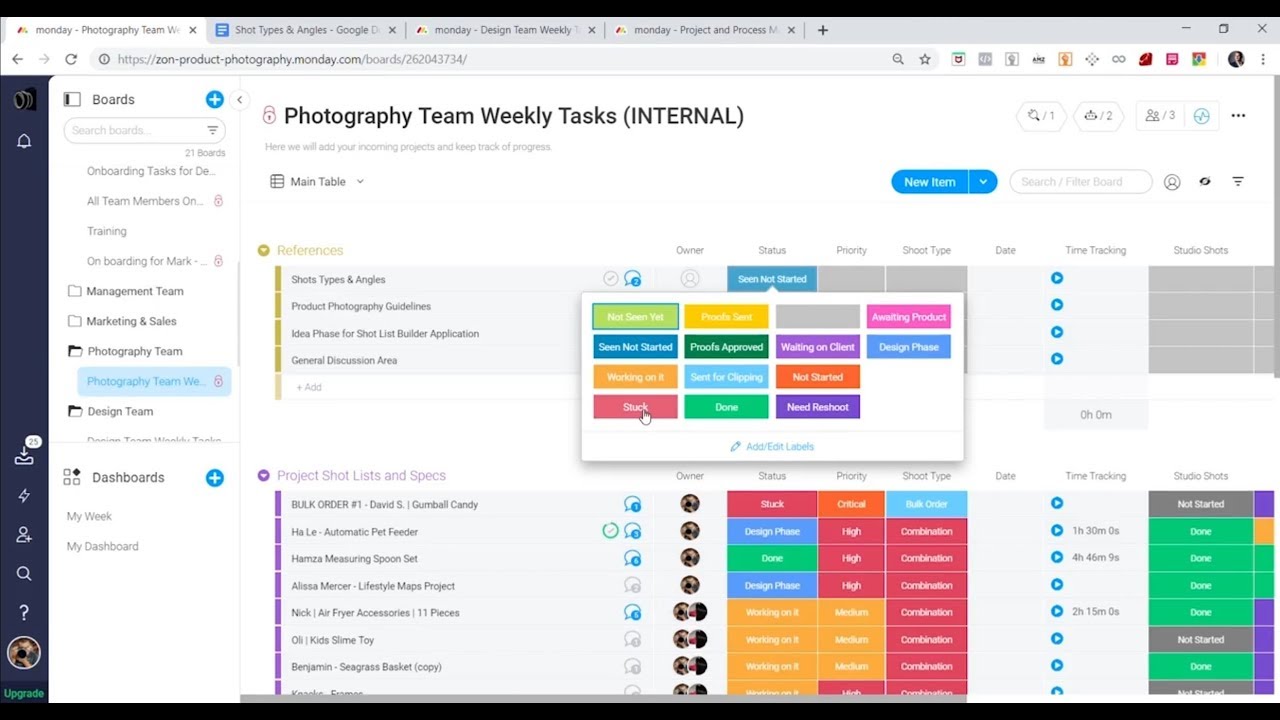
- Task tracking dashboards
- Centralized communication channels
- Calendar coordination
- Version-controlled project files
Choosing the right tools reduces friction and improves coordination across distributed teams.
Build a Results-Oriented Work Culture
Remote environments shift management focus from activity monitoring to outcome measurement. Leaders should evaluate performance based on results rather than visibility.
A results-driven culture encourages:
- Independent problem-solving
- Ownership of responsibilities
- Efficient time management
- Accountability for deliverables
- Continuous performance improvement
This approach strengthens trust between managers and employees.
Maintain Regular One-on-One Check-Ins
Individual conversations remain essential even when teams collaborate digitally. These interactions support both performance tracking and employee engagement.
Managers can use one-on-one sessions to:
- Address workload challenges
- Provide constructive feedback
- Discuss professional development goals
- Identify potential obstacles early
- Strengthen working relationships
Consistent check-ins help employees stay connected to organizational priorities.
Support Flexible Work Structures Without Losing Alignment
Flexibility improves morale and productivity, but it must be balanced with operational coordination.
Organizations can maintain alignment by:
- Establishing shared working hours when needed
- Setting realistic availability expectations
- Coordinating deadlines across time zones
- Planning collaborative sessions in advance
- Maintaining consistent reporting routines
Balanced flexibility ensures teams remain responsive and efficient 🌍
Encourage Strong Documentation Practices
Documentation replaces many hallway conversations that naturally occur in traditional office environments.
Helpful documentation practices include:
- Recording meeting summaries
- Maintaining shared knowledge bases
- Standardizing workflow procedures
- Tracking project milestones centrally
- Creating accessible onboarding materials
Reliable documentation keeps teams informed even when schedules differ.
Strengthen Team Engagement and Connection
Remote work can sometimes reduce informal interaction, which affects team cohesion. Managers should create opportunities for connection beyond task-related communication.
Engagement strategies include:
- Virtual team discussions
- Recognition of achievements
- Informal online gatherings
- Collaborative brainstorming sessions
- Cross-department interaction opportunities
Connected teams collaborate more effectively and remain motivated over time.
Monitor Productivity Using Meaningful Metrics
Performance monitoring should focus on impact rather than activity tracking alone.
Useful productivity indicators include:
- Task completion timelines
- Quality of deliverables
- Collaboration responsiveness
- Contribution to team objectives
- Achievement of project milestones
Clear measurement systems help maintain fairness and transparency.
Promote Employee Well-Being and Work-Life Balance
Remote and hybrid arrangements blur boundaries between personal and professional life. Organizations that support well-being often see stronger long-term performance outcomes.
Managers can promote balance by:
- Encouraging realistic workloads
- Supporting flexible scheduling where possible
- Respecting non-working hours
- Monitoring signs of burnout
- Offering access to wellness initiatives
Healthy employees are more focused, engaged, and productive 😊
Invest in Leadership Adaptation for Distributed Teams
Managing remote teams requires different leadership techniques than managing traditional office environments.
Effective remote leaders demonstrate:
- Clear communication habits
- Empathy toward employee challenges
- Confidence in delegation
- Strong planning capabilities
- Comfort with digital collaboration systems
Leadership adaptability directly influences remote team success.
Conclusion
Remote and hybrid work models are no longer temporary solutions—they are permanent components of modern organizational strategy. Businesses that adopt structured communication systems, outcome-focused management styles, and supportive workplace practices create environments where distributed teams can perform at their best.
Smart management ensures flexibility strengthens productivity instead of weakening coordination, helping organizations remain competitive in evolving work landscapes.
Frequently Asked Questions (FAQs)
1. What is the biggest challenge when managing remote and hybrid teams?
Maintaining consistent communication and alignment across different locations and schedules is often the most significant challenge organizations face.
2. How can managers ensure fairness between remote and in-office employees?
Fairness improves when performance expectations, access to information, and growth opportunities remain consistent across all work arrangements.
3. Should remote teams follow the same schedules as office-based teams?
Not always. Many organizations benefit from flexible scheduling while maintaining overlapping collaboration hours when needed.
4. How can organizations improve trust in remote work environments?
Trust increases when expectations are clearly defined, communication remains transparent, and performance evaluation focuses on outcomes rather than monitoring activity.
5. What role does onboarding play in remote team success?
Structured onboarding helps new employees understand workflows, communication practices, and responsibilities more quickly, improving early productivity.
6. How can organizations prevent communication overload in distributed teams?
Using clearly defined communication channels and limiting unnecessary meetings helps maintain focus and efficiency.
7. Why is leadership training important for managing hybrid teams?
Hybrid environments require different coordination strategies, and trained leaders are better equipped to manage flexibility while maintaining accountability.